October is Breast Cancer Awareness Month. Book a screening mammogram at a special price. Learn more

Emergency room open now · 24 hours, every day

In an emergency, call us first.

Tap to call · Emergency & ambulance+91 00000 00001

Can't get through? Call 112 (national emergency) or 108 (ambulance).

(01)What to do now

Five emergencies, step by step.

Call first, then follow the steps while help is on the way. Our team will guide you on the phone.

01 · Possible heart attack

Chest pain

Call +91 00000 00001

Call us if you see

  • Pressure, squeezing or heaviness in the chest for more than a few minutes
  • Pain spreading to the arm, jaw, neck or back
  • Breathlessness, cold sweat, nausea or sudden tiredness

Do this now

  1. Call us now. Don't drive yourself, and don't wait to see if it passes.
  2. Sit them down and keep them calm. Loosen tight clothing.
  3. If they aren't allergic and no doctor has told them not to, they can chew one regular adult aspirin.
  4. If they collapse and aren't breathing normally, start CPR: push hard and fast in the centre of the chest, about two pushes a second. Keep going until help arrives.

Don't

  • Give food or drink
  • Let them walk around or climb stairs
02 · Use BE-FAST to spot it

Stroke

Call +91 00000 00001
  1. BalanceSudden loss of balance or dizziness
  2. EyesSudden blurred, double or lost vision
  3. FaceOne side of the face droops when they smile
  4. ArmsOne arm is weak or drifts down when both are raised
  5. SpeechSlurred, strange or hard to understand
  6. TimeCall now and note the time it started

Do this now

  1. Call us now. Stroke treatment works best within the first few hours.
  2. Note the exact time the symptoms started, or when they were last seen well.
  3. If they are drowsy, lay them on their side with the head slightly raised.
  4. Bring a list of their medicines, especially blood thinners.

Don't

  • Give food, water or tablets: swallowing may be affected
  • Give aspirin: some strokes are bleeds
  • Wait for symptoms to settle
03 · Road accidents, falls, cuts, burns

Accident, injury or burn

Call +91 00000 00001

Call us if you see

  • Heavy bleeding, a deep wound or an obvious broken bone
  • Head injury with vomiting, confusion or drowsiness
  • Burns larger than the palm, or on the face, hands or groin

Do this now

  1. Make sure the area is safe for you first, then call us.
  2. Press firmly on bleeding with a clean cloth and keep pressing. Add more cloth on top if it soaks through.
  3. If a neck or back injury is possible, don't move them unless they are in danger.
  4. For burns, cool under gently running tap water for 20 minutes. Remove rings and watches, then cover loosely with clean cling film or cloth.

Don't

  • Pull out objects stuck in a wound
  • Put ice, toothpaste, oil or butter on a burn
  • Give anything to eat or drink
04 · Asthma, allergy, choking

Breathing difficulty

Call +91 00000 00001

Call us if you see

  • Can't speak in full sentences
  • Lips or face turning blue or grey
  • Noisy breathing, or chest sucking in with each breath
  • Swelling of the lips, tongue or throat after food, a sting or a medicine

Do this now

  1. Call us now if any of these signs are present.
  2. Sit them upright, leaning slightly forward. Loosen tight clothing.
  3. Asthma: help them use their reliever inhaler as prescribed. Severe allergy: use their adrenaline auto-injector if they have one.
  4. Choking adult or child over 1: up to five firm back blows between the shoulder blades, then up to five abdominal thrusts. Repeat.

Don't

  • Make them lie flat
  • Give anything by mouth
05 · Fits, convulsions, high fever

Child with fever or a seizure

Call +91 00000 00001

Call us if you see

  • A seizure: stiffening, jerking, eyes rolling, not responding
  • A baby under 3 months with any fever
  • Unusually drowsy, breathing fast, a rash that doesn't fade when pressed, or no wet nappy for many hours

Do this now

  1. Stay calm and note the time the seizure started.
  2. Lay the child on their side on the floor, away from anything hard or sharp.
  3. When the jerking stops, keep them on their side so they can breathe easily.
  4. Call us right away if it lasts more than 5 minutes, it's their first seizure, or they don't wake up normally afterwards.

Don't

  • Put anything in their mouth, including fingers or a spoon
  • Hold them down
  • Put them in a cold bath or give medicine by mouth during a seizure

This is general first-aid guidance, not a diagnosis. If you're unsure, call. We'd always rather you did.

(02)ER or OPD?

Where should you go?

The emergency room is for anything sudden, severe or getting worse. Everything else is faster in the OPD.

Come to the ER now

  • Chest pain or pressure
  • Any BE-FAST stroke sign
  • Severe breathlessness or choking
  • Heavy bleeding or a major injury
  • Head injury with vomiting or confusion
  • A seizure, fainting or unconsciousness
  • Serious burns, poisoning or an overdose
  • Severe allergic reaction
  • Pregnancy with bleeding, severe pain or reduced baby movements
  • A baby under 3 months with fever
Call +91 00000 00001

Book an OPD visit

  • Fever for a day or two while otherwise well
  • Cough, cold or sore throat
  • A minor sprain, cut or bruise
  • Ongoing pain you've had for a while
  • Blood pressure, sugar or thyroid review
  • Follow-ups, reports and repeat prescriptions

Mon–Sat · 8:00 AM – 8:00 PM
Sun · 9:00 AM – 1:00 PM

Book an appointment

Not sure? Call +91 00000 00001 and describe what's happening. The emergency team will tell you whether to come in now.

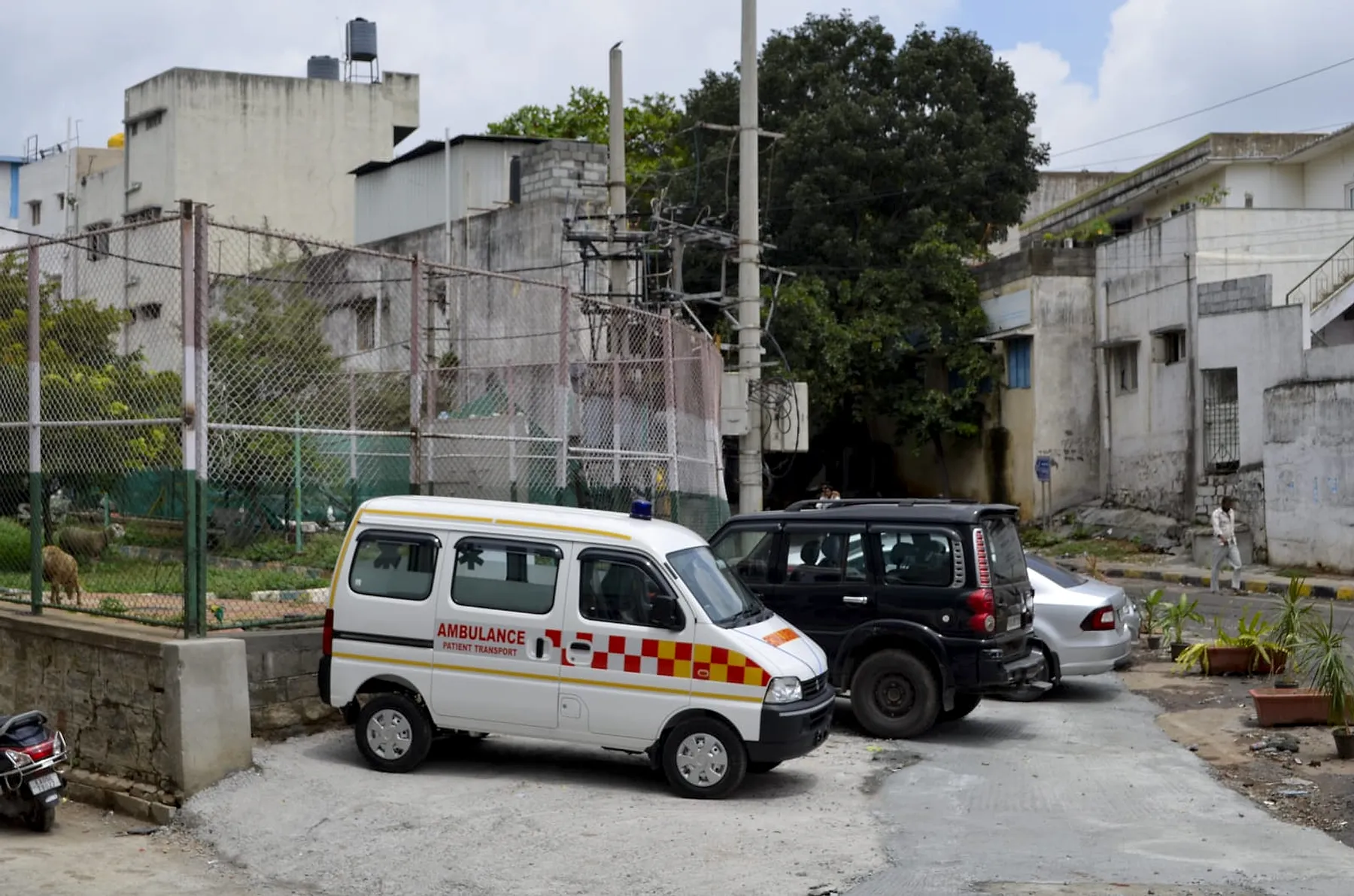
Lumi Hospital ambulance parked at the hospital
Our ambulance, on standby at the emergency entrance
(03)Ambulance

Calling an ambulance.

Emergency & ambulance · 24/7+91 00000 00001

When you call, tell us

  1. What happened and how the patient is now: awake, breathing, bleeding.
  2. The patient's age and any major illness you know of.
  3. The exact address with a landmark, floor and flat number.
  4. A number we can call back. Keep that phone free.

While you wait

  • Send someone to the gate or main road to guide the crew.
  • Clear the stairs or hold the lift, and switch on the outside light at night.
  • Keep the patient still and warm. Don't give food or drink.
  • Put their medicines and reports in one bag.
(04)What to bring

If you can, bring these.

Never delay to find documents. Come first. Paperwork can follow.

  • Photo ID and insurance card

    The insurance desk starts the paperwork while we treat.

  • Current medicines

    The strips themselves, or a photo of them.

  • Recent reports

    Discharge summaries, ECGs or scans, if they're at hand.

  • A charged phone

    And the number of a family member.

  • One attendant

    Someone who can stay and speak for the patient.

Emergency entrance

Address line, Area, City, State PIN

24 / 7 · 365

Emergency? We're already up.

Emergency room, ICU, ambulance and pharmacy, open day and night.

+91 00000 00001